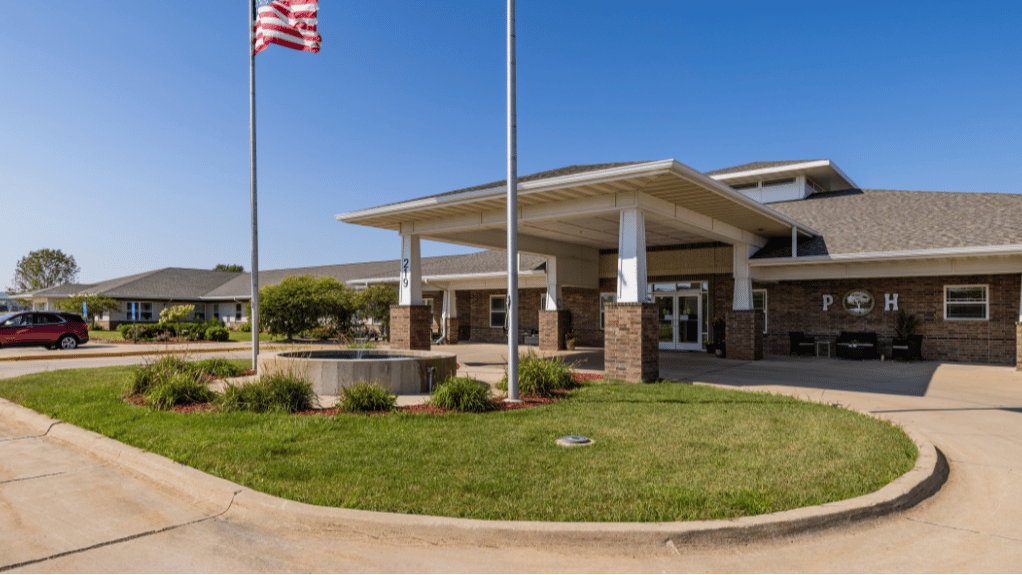
The small-town charm of Tipton, IA, promotes a sense of calm in seniors, which is further supported by B vitamins that can uplift mood, improve mental clarity, and focus. According to the Cleveland Clinic, vitamin B deficiencies become more common after the age of 65. Pernicious anemia, which affects seniors between 65 and 80, also contributes to low vitamin B levels.
Vitamin B12 regulates serotonin and dopamine to manage seniors' mood. It protects the nervous system, which lowers anxiety levels by reducing the risk of neuropathy. B vitamins for anxiety also decrease Homocysteine-linked inflammation to prevent cognitive decline and depression.
Learn more about the role of calming nutrients for seniors, including tips for incorporating vitamin B for senior emotional wellness.
What Is the Connection Between Vitamin B12 and Mood?
Discussions about vitamin B12 often revolve around energy, especially given its role in the regulation of the central nervous system.
A balanced senior mood is supported by normal levels of vitamin B12. However, when these levels begin to dip, noticeable mood declines can follow, like heightened anxiety from nervous system imbalance and emotional fatigue.
What's the Role of B Vitamins in Neurotransmitter Production?
Neurotransmitters communicate emotions and responses to the brain. Vitamin B12 assists in the production of two powerful neurotransmitters for senior mood, serotonin and dopamine.
Serotonin is known as the "feel-good" hormone. It helps stabilize senior mood levels and promote general feelings of well-being. Dopamine manages the brain's sense of reward and focus, evidenced by such anxiety-reducing crafts as knitting and gardening.
Low levels of vitamin B12 can hinder the production of these vital neurotransmitters. As a result, seniors are less likely to focus on anxiety management projects and experience heightened irritability. Seniors may also experience brain fog and unexplained stress.
The symptoms of vitamin B12 deficiency may be overlooked if they're rationalized as part of the natural aging process. Low vitamin B levels definitely warrant a visit to the doctor.
How Do B Vitamins For Anxiety Protect the Nervous System?
Similar to the electrical wiring system in a home, the body's nervous system also needs insulated protection. Nerves are protected by the myelin sheath. When this sheath thins (due to low vitamin B12 levels), it can cause neurological symptoms like tingling and rising anxiety.
Neuropathy can also occur from spinal nerve damage, a condition that increases with age, according to Yale Medicine.
Why Is Homocysteine Regulation Important for Senior Anxiety Management?
Without proper vitamin B12 levels, toxic levels of homocysteine amino acids rise, causing brain inflammation. This inflammation is linked to an increased risk of cognitive decline and senior depression, according to studies cited in the National Library of Medicine.
Vitamin B9 (Folate) assists B12 in breaking down homocysteine amino acids. Heightened anxiety levels in seniors may be due to low levels of B9 and B12, as cognitive decline can trigger irritability and confusion.
How Does B12 Balance Hormones for Natural Anxiety Relief?
Cortisol is the body's main stress hormone that regulates the fight or flight response. It's necessary for alerting the brain to danger. However, too much cortisol increases stress levels, heightening anxiety in seniors.
Adequate levels of B12 help regulate the adrenal glands and the endocrine system to prevent overactive stress responses. For instance, low vitamin B12 levels may cause a senior to over-stress about a misplaced item or excessively worry about a family member who is okay.
Steady cortisol levels help seniors' nervous systems return to a state of calm, allowing them to enjoy their golden years without worry.
Why Are Seniors Vulnerable to Vitamin Deficiency-Related Anxiety?
Since vitamin deficiencies often increase with age, seniors are more susceptible to associated anxiety.
Stomach acid also decreases with age, making it difficult to successfully absorb enough B vitamins. It's not uncommon for seniors to develop atrophic gastritis, a thinning of the stomach lining. As a result, seniors have lower levels of hydrochloric acid.
Seniors need enough hydrochloric acid to activate the B12 consumed from animal proteins like meat and eggs.
Frequently Asked Questions
What Exactly Is Vitamin B12?
Vitamin B12 is an essential water-soluble nutrient.Since it's water-soluble, seniors can't store large amounts of it for long periods of time, so it must be replenished regularly through diet. Beyond regulating serotonin and dopamine for mood, B12 is also necessary for:
- DNA repair
- Red blood cell formation
- Brain and nerve health
Together, all of these benefits help uplift mood through stronger immune support and energy production. For example, regular red blood cell formation prevents weakness and fatigue due to megaloblastic anemia.
How Can Seniors Increase B Vitamin Levels to Manage Anxiety?
Diet is the best way for seniors to maintain adequate levels of B vitamins. However, since seniors often struggle with absorption due to low stomach acid, B12 diets should be paired with gut-healthy foods. Pairing the following foods with probiotics can help a great deal:
- Clams
- Eggs
- Beef liver
- Skim dairy products
Seniors can also eat foods fortified with B vitamins.Even better, the type of B12 in fortified cereals and milks, free-form B12, doesn't require stomach acid for activation.
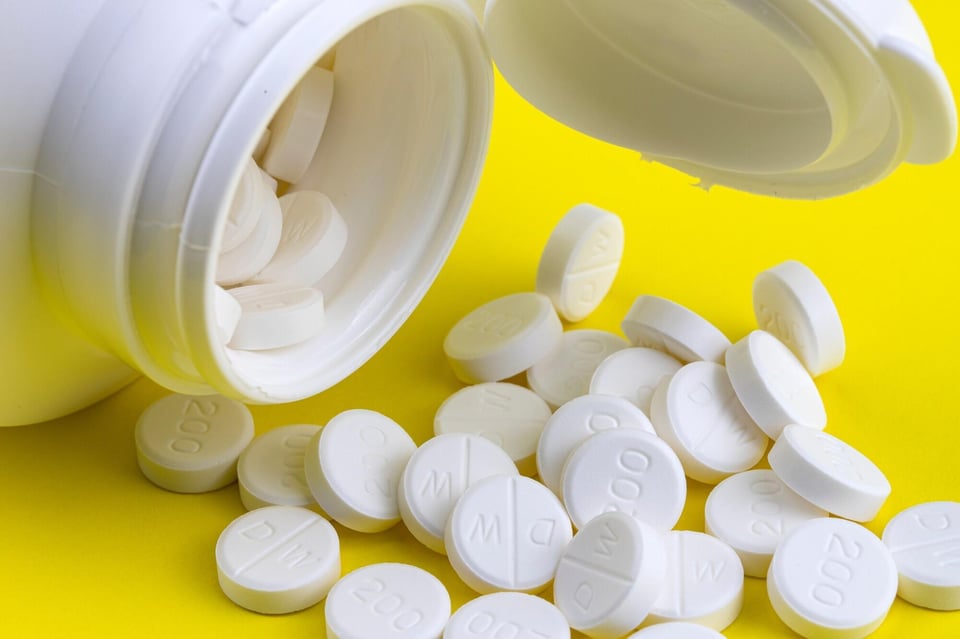
Older adults can also consult medical professionals about senior dietary support supplements that contain free-form B12 for better nutrient absorption.
What Are Good Holistic Anxiety Management Strategies?
Increasing vitamin B through diet is an example of a holistic approach to senior anxiety management. Seniors can supplement this approach with increased exercise to release mood-boosting endorphins. Improving social wellness through group outings and hobbies also increases mood-boosting chemicals in the brain.
Of course, seniors are encouraged to breathe. Breathing exercises are crucial for managing anxiety on the spot.
Maintain Those Vitamin B Levels
All seniors need to understand the connection between brain health and stress to manage anxiety the right way. This process should always start with a professional consultation with a physician. Ask about the best strategies for absorbing B vitamins for anxiety management, from natural sources to fortified foods.
The dining program at Prairie Hills at Tipton is designed for senior dietary needs. Expect meals rich in nutrients like vitamin B12, as well as vitamins C, D, and E. Meals are served daily, and residents may enjoy meals with new friends in the community dining hall or in the comfort of their apartments.
Book a tour to learn more about the dining program!