Strength training can prove safe for older adults with long-term health concerns. Safe methods, such as using resistance bands or the proper amount of weight, help protect the body while improving everyday strength.
While seniors want to stay active, health concerns can make exercise feel complicated. Careful planning offers a path forward. Families and older adults can work together to uplift their confidence and build better routines.
Simply put, mindful movements often support chronic illness and exercise goals. Read on to learn more about strength training for seniors in Tipton, IA.
Why Is Strength Training Important for Seniors With Health Concerns?
Strength training goes a long way toward helping older adults build and hold on to their muscle mass. Stronger muscles support balance and steady walking.
Healthy movement reduces the risk of falls and everyday injuries. Older adults often notice that they can do the following with less effort:
- Lifting
- Bending
- Reaching
Calm routines help bodies stay flexible.
Chronic concerns can make movement harder, yet strength training creates steady improvements. Low-impact resistance keeps joints protected while supporting gradual gains.
Seniors often experience better posture and general mobility. Improved muscle strength can ease pain in surrounding tissues. Daily life often feels more manageable with stronger muscles.
Many seniors prefer programs tailored to health conditions and workouts. Personal preferences and medical guidance shape a supportive plan. Consistent routines help the body adapt without overwhelming it.
Community settings reinforce encouragement and safety. Skilled guidance from a trainer or wellness professional provides important reassurance.
What Are the Safest Strength Training Methods for Seniors?
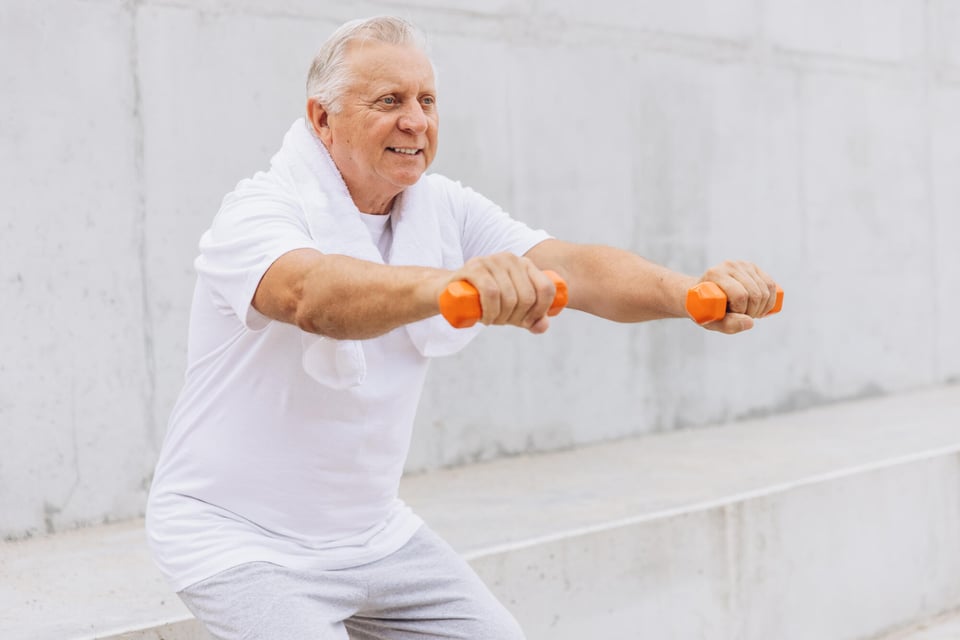
Safe strength training begins with slow steps. Light weights help seniors learn proper form. Bands and soft hand weights offer gentle resistance.
Cautious progress prevents strain and injury. Controlled breathing supports balance and focus.
Bodyweight exercises help maintain stability. The following can build strength without heavy tools:
- Squats
- Wall push-ups
- Seated lifts
Joint-friendly routines protect older adults with arthritis or heart concerns. Sessions should include breaks and gentle stretching. Warm-up time prevents stiffness and supports mobility.
Equipment choices matter. Many seniors choose low-impact resistance options to protect bones and joints.
Machines with guided movements reduce the risk of sudden shifts. Supportive trainers help seniors adjust settings safely. Practical routines focus on comfort, not speed or intensity.
How Can Seniors Stay Safe While Exercising at Home?
Clear guidelines help seniors maintain senior strength and safety in home routines. A stable chair, non-slip shoes, and open space reduce risks. Good lighting supports proper form and confidence.
Routines should match energy levels and daily health conditions. Sessions benefit from slow pacing and steady effort.
Families can help older adults review movements. Support leads to safer practice and greater comfort. Hydration supports recovery.
Calm breathing maintains focus during movement. Listening to the body prevents overexertion.
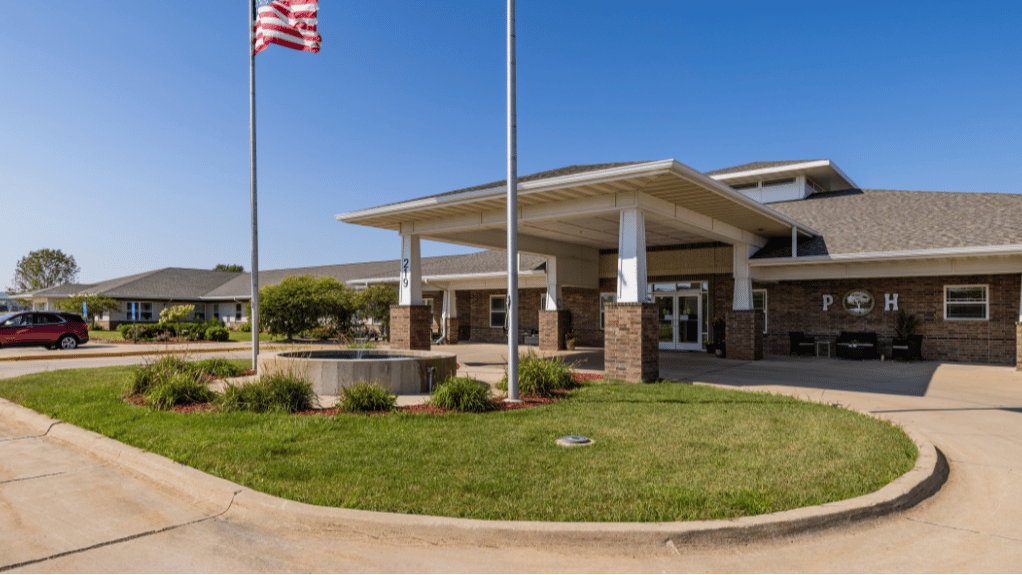
Home routines pair well with occasional professional guidance. Wellness teams in communities such as Prairie Hills at Tipton often help older adults build confidence with exercise plans.
Simple plans help seniors stay active without discomfort. Balanced weekly schedules encourage steady improvement.
Ways in Which Proper Form Can Protect Seniors During Strength Training
Proper form helps seniors stay safe while building strength. Movements stay steady when older adults use slow pacing and controlled breathing. Joints remain protected when the spine stays aligned, and feet stay grounded.
Many seniors benefit from mirrors or guidance from trained wellness staff. Simple cues, such as keeping shoulders relaxed and lifting with the legs, reduce common mistakes. Careful form lowers the chance of strains or falls.
Supportive environments, including structured guidance in a community like Prairie Hills at Tipton, reinforce safe habits. Good technique helps seniors gain strength with confidence and comfort.
Frequently Asked Questions
Do Seniors Need Special Equipment?
Many seniors use simple tools such as light weights, bands, or a sturdy chair. Easy-to-hold items support safety.
Home-friendly tools make training convenient. Machines may help in community wellness rooms.
Should Seniors Warm Up Before Lifting Weights?
Warm-ups prepare joints and muscles for movement. Gentle marches, shoulder rolls, and slow stretches build readiness. Warm muscles respond better to strengthening activities.
Can Older Adults With Heart Conditions Lift Weights?
Many older adults with heart concerns can train safely with medical clearance. Light loads and slow pacing support safe routines.
Breathing steadily helps protect the heart.
How Can Seniors Improve Confidence During Exercise?
Clear instructions and simple progressions help build confidence. Support from family or a wellness coach encourages steady participation.
A relaxed pace reduces stress. Celebrating small successes helps maintain motivation.
Are Resistance Bands Safe for Older Adults?
Bands provide smooth resistance that helps protect joints. Slow stretching of the band allows controlled movement. Many seniors enjoy their comfort and versatility. Bands support gradual strength progress.
Can Strength Training Help With Balance?
Regular strength work supports muscles that stabilize the body. Strong legs, hips, and core muscles improve standing and walking. Controlled practice builds lasting balance.
Can Strength Training Support Mental Well-Being?
Many seniors feel more positive when staying active. Movement encourages calm energy.
Improved independence reduces stress. Consistent training supports emotional resilience.
Should Older Adults Stretch After a Workout?
Cool-down stretching helps relax muscles. Gentle stretches support flexibility. Many seniors notice easier movement throughout the day.
Stretching and safety go together like healthy aging and fitness.
Can Seniors With Limited Mobility Benefit From Strength Training?
Many seniors with limited mobility can still gain strength. Seated exercises provide valuable support.
Adjusted routines protect comfort while building muscle. Every effort contributes to improvement.
It's Time to Get the Most Out of Strength Training for Seniors
Strength training for seniors with chronic concerns is excellent, but it also calls for attention to detail. Gentle routines protect the body and lead to better health overall.
Prairie Hills at Tipton is where seniors come to thrive at every level. From relaxing with resort-style amenities to spending quality time at weekly events, there's always something to enjoy. Popular options include expert-led wellness classes, ice cream socials, silly charades, and much more.
Our team helps older adults follow plans that match their needs. Be sure to reach out to schedule a wonderful tour of Prairie Hills at Tipton today.