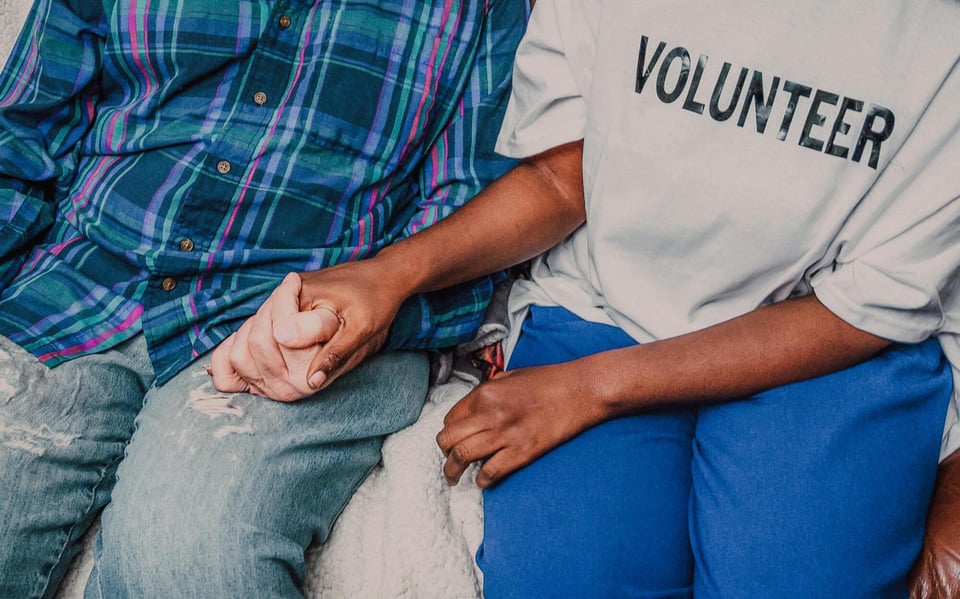
Retirees can volunteer behavioral health skills by partnering with local nonprofits, senior living communities, and other institutions that need experienced support. Counseling, crisis response, peer mentoring, and advocacy all offer noteworthy ways to continue serving others.
There's no denying that years spent in counseling or case management create valuable expertise. Retirement opens the door to sharing that knowledge in flexible, purpose-driven ways. Many communities across Tipton, IA, welcome experienced adults who want to strengthen emotional wellness and resilience.
Professionals searching for behavioral health volunteer opportunities in Iowa often find that demand is steady.
Can Retired Mental Health Professionals Volunteer in Their Community?
Yes, retired mental health professionals can volunteer in their community. Many organizations actively seek former counselors, therapists, and behavioral specialists who want to provide mental health support and community service in structured settings.
County agencies, faith organizations, schools, and senior living communities often need:
- Peer support mentors
- Grief group facilitators
- Family education presenters
- Crisis line volunteers
- Caregiver support group leaders
Cedar County outreach programs may coordinate prevention education, substance use awareness efforts, and referral services. Retired professionals can assist with training sessions or short-term support initiatives without committing to full-time roles.
Some retirees prefer one-on-one mentoring. Others enjoy facilitating small group discussions focused on stress management, coping skills, or caregiver burnout.
Background checks and updated licensure requirements may apply depending on the role. Some positions allow volunteering under supervision even if licensure has lapsed.
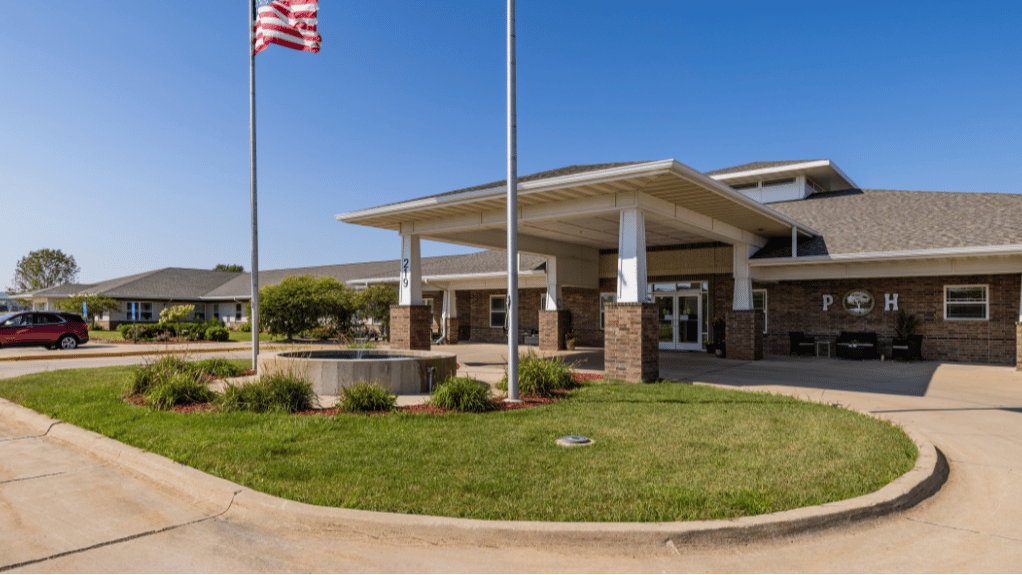
Senior living communities also benefit from experienced volunteers. Prairie Hills at Tipton encourages community engagement and values emotional wellness. Retired behavioral health professionals can offer educational workshops or support circles that enrich residents' lives.
What Types of Behavioral Health Volunteer Roles Are Available After Retirement?
A broad range of retirement volunteer options in IA exists for professionals who want flexible involvement. The following all influence what constitutes the best fit:
- Skill level
- Time commitment
- Comfort with direct client contact
There's a set of opportunities that you're most likely to come across.
Peer Support and Mentoring
Retired professionals can guide individuals navigating grief, addiction recovery, or life transitions. Experience often brings empathy and patience that younger volunteers may still be developing.
Support Group Facilitation
Many communities need leaders for anxiety management groups, caregiver circles, and depression recovery discussions. Crystal-clear boundaries and strong listening skills are essential.
Crisis Line or Warm Line Support
Telephone-based volunteering allows retirees to serve from home. Training is often provided to ensure up-to-date protocols.
Educational Outreach
Workshops on stress reduction, healthy aging, suicide prevention, and communication skills help strengthen public awareness. Senior volunteer roles in Tipton sometimes include presenting educational sessions for older adults.
Advocacy and Policy Work
Local advisory boards often welcome experienced voices. Knowledge of behavioral systems and ethical standards can guide thoughtful decision-making.
Professionals who once supervised teams may enjoy mentoring younger counselors. Others prefer short-term commitments tied to Cedar County outreach programs focused on specific awareness months or prevention campaigns.
Flexibility remains one of the greatest advantages of volunteering after retirement. Many roles require only a few hours per month.
Do You Need a License to Volunteer for Behavioral Health Services?
Licensure requirements depend on the level of service provided. Direct therapy or clinical diagnosis typically requires active licensure. Educational programming, peer support, or mentoring often does not.
Organizations usually clarify expectations during onboarding. Some roles operate under supervision from currently licensed staff. Others focus on emotional support rather than clinical treatment.
Retirees who no longer maintain a license can still make a powerful difference. Keen listening, boundary setting, and ethical communication remain highly valuable.
Before committing, volunteers should confirm:
- Scope of responsibility
- Liability coverage
- Required background checks
- Training expectations
- Confidentiality guidelines
Many behavioral health volunteer Iowa programs provide refresher training to align volunteers with modern standards and cultural competency practices.
Building Meaningful Connections in Retirement
Emotional health needs continue across every age group. Children, families, caregivers, and older adults benefit from steady support. Retired professionals often report that volunteering restores a sense of purpose.
Community-based efforts create opportunities to collaborate with medical providers, clergy, social service coordinators, and senior living teams. Prairie Hills at Tipton supports resident well-being through engagement and social connection.
Strong mental health support community service strengthens not only individuals but entire neighborhoods. Each conversation, workshop, or mentoring session can ripple outward.
Frequently Asked Questions
What Skills Are Most Needed in Mental Health Volunteering?
Active listening, crisis de-escalation, empathy, and ethical judgment remain highly valued. Experience with the following can also be helpful:
- Grief counseling
- Addiction recovery
- Family systems
Public speaking skills support educational workshops.
How Many Hours a Week Do Mental Health Volunteers Typically Serve?
Commitments vary widely. Some volunteers serve two to four hours per month.
Others commit to weekly support groups. Retirement volunteer options in IA often allow flexible scheduling to match personal goals.
Are There Age Limits for Volunteering in Behavioral Health?
Most organizations do not impose strict upper age limits. Health, energy level, and ability to meet responsibilities matter more than age. Many programs actively value mature volunteers with professional backgrounds.
Can I Volunteer Remotely in Behavioral Health?
Remote options have expanded significantly. Crisis lines, warm lines, and online support groups may allow service from home. Training ensures volunteers understand privacy and digital communication standards.
What Training Is Required Before Volunteering?
Training requirements depend on the role. Crisis support roles usually require structured instruction and supervised practice. Educational outreach roles may involve orientation sessions covering confidentiality and community guidelines.
Is Volunteering in Behavioral Health Emotionally Demanding?
Emotional intensity varies. Crisis roles can be demanding, while educational workshops may feel lighter. Clear boundaries, supervision, and peer support help volunteers maintain balance.
Volunteer Behavioral Health Opportunities Can Heighten One's Sense of Purpose
Retirement creates a wonderful space for reflection, growth, and more. Volunteer behavioral health opportunities make it easy for professionals to remain relevant long after their full-time careers end.
Prairie Hills at Tipton is where seniors of all stripes can come together within a nurturing community. Our resort-style amenities make day-to-day life feel sweeter. Residents especially love the chef-prepared meals and music performances under the stars.
If you'd like to elevate your golden years, then don't wait to schedule a tour of Prairie Hills at Tipton today.