
Brain games can help seniors with dementia stay engaged, calm, and connected to their daily routines. One in 10 older adults in the U.S. has dementia, according to Columbia University, which makes dementia-friendly engagement an important part of supportive care.
Activities like brain games for seniors with dementia and memory support games offer gentle ways to encourage focus, participation, and emotional comfort without causing frustration.
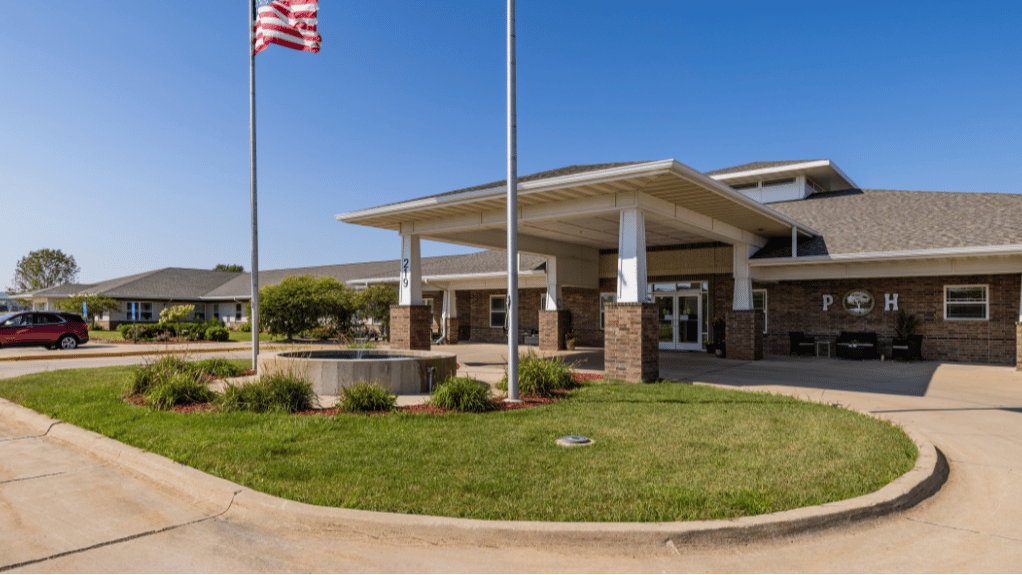
At Prairie Hills at Tipton, our senior living community in Tipton, Iowa, just 28 miles from Iowa City, we incorporate meaningful activities into personalized care plans.
In this blog post, we'll explore simple brain games, everyday engagement ideas, and how the right living environment can support comfort, connection, and quality of life.
What Activities Are Good For Dementia Patients To Stay Busy?
Simple and familiar activities work best for seniors living with dementia. Tasks that feel purposeful without being demanding help maintain focus and reduce frustration.
Examples include sorting cards by color, folding towels, matching picture cards, or arranging items by size. These activities encourage participation while keeping expectations low.
Music is another effective option, as listening to familiar songs, clapping along, or gently singing can spark positive emotions and encourage interaction. Many seniors respond well to rhythm and repetition, even in later stages of dementia.
Creative activities also provide gentle engagement. Coloring, painting with broad strokes, or working with textured materials supports sensory awareness. Activities should always allow success rather than correction.
At Prairie Hills at Tipton, daily schedules include a variety of hands-on activities designed to keep residents comfortably engaged. These routines help residents feel involved while supporting emotional well-being throughout the day.
Why Brain Games Should Be Gentle And Familiar
Brain games for seniors with dementia should reduce stress, not increase it. Games that are overly complex or competitive can lead to confusion or withdrawal. Familiar activities help residents feel confident and more willing to participate.
Repetition plays an important role in engagement.Repeating the same types of games allows seniors to recognize patterns and feel comfortable with expectations. Over time, familiarity can improve participation and reduce anxiety.
Gentle pacing also matters; short activities with breaks help prevent mental fatigue. Residents benefit more from brief, positive interactions than from long sessions that feel overwhelming.
Here at Prairie Hills at Tipton, staff guide activities with patience and flexibility. Each resident's comfort level shapes how games are introduced and adjusted throughout the day.
How Daily Routines Support Dementia-Friendly Engagement
Consistent routines help seniors with dementia feel grounded and secure. Predictable schedules reduce confusion and make it easier to transition between activities. Regular timing supports participation and builds familiarity with daily patterns.
Scheduled activities like morning games, afternoon crafts, and evening relaxation provide structure without pressure. Knowing what comes next can ease anxiety and improve cooperation.
Routines also support physical and emotional balance. Regular meals, rest periods, and engagement times help maintain energy levels and improve mood throughout the day.
Our community uses personalized routines to support dementia-friendly engagement.Care plans are adjusted as needs change, ensuring residents remain comfortable and involved at their own pace.
What Is The Best Living Situation For Someone With Dementia?
The best living situation for someone with dementia offers safety, structure, and meaningful engagement. Environments should support daily routines while providing trained staff who understand cognitive changes.
Living at home can become challenging as dementia progresses. Safety concerns, isolation, and caregiver stress often increase over time. Supportive communities help reduce these challenges.
Assisted living and memory care settings provide:
- Structured activities
- Consistent routines
- Supervision tailored to individual needs
These features support comfort and daily engagement. Prairie Hills at Tipton offers both assisted living and memory care options. Our community provides a supportive environment where residents receive personalized care, daily activities, and a sense of connection in Tipton, Iowa.
Frequently Asked Questions
How Can Families Encourage Cognitive Wellness Daily?
Supporting cognitive wellness in seniors with dementia involves consistent, low-pressure engagement. Simple tasks like conversation, reading aloud, or storytelling stimulate memory and attention.
Daily routines that include social interaction, light physical activity, and gentle brain exercises also help maintain focus and emotional balance.
What Types Of Gentle Activities For Seniors Are Most Effective?
Activities that are familiar, repetitive, and success-oriented work best. Examples include:
- Sorting objects
- Simple puzzles
- Matching games
- Music sessions
- Craft projects
Gentle activities for seniors reduce frustration while encouraging participation, allowing residents to feel accomplished and engaged without stress.
How Often Should Memory Support Games Be Introduced?
Short, regular sessions are more effective than long, infrequent activities. Scheduling games two or three times a day helps reinforce learning and provides an enjoyable structure. Breaks between activities prevent fatigue and keep residents motivated and alert.
Can Physical Activities Enhance Brain Engagement?
Yes, light physical movement like chair exercises, guided walks, or stretching improves circulation, supports mental alertness, and reduces anxiety.
Combining movement with simple cognitive tasks, like following instructions or counting repetitions, can increase mental stimulation and overall well-being.
How Does Enrichment In Memory Care Benefit Residents?
Enrichment in memory care programs provides structured social, mental, and sensory activities that support engagement and emotional health.
Programs often include music, art, sensory stimulation, and group interaction. These opportunities promote confidence, reduce isolation, and enhance quality of life.
How Can Families Participate In Activities?
Families can join residents in games, music sessions, or craft projects to encourage connection. Shared participation strengthens relationships and provides comfort while reinforcing memory and engagement.
Staff at communities like Prairie Hills at Tipton guide families on ways to contribute meaningfully to daily activities.
Enjoy Brain Games for Seniors With Dementia
To sum up, brain games for seniors with dementia help keep the mind active, support emotional well-being, and provide meaningful daily engagement. At Prairie Hills at Tipton, residents enjoy activities like board games, bingo, crosswords, brain busters, and gentle exercise classes. All of these are designed to stimulate memory, coordination, and social connection in a comfortable, supportive environment.
Our staff tailors activities to each resident's abilities and interests, making participation enjoyable and stress-free. Families looking for a caring, activity-focused community in Tipton, just 28 miles from Iowa City, are invited to schedule a tour and see how Prairie Hills can support cognitive wellness every day.